Operating at peak fitness levels isn’t just about how hard you train; it’s about how effectively your body recovers. Intense exercise can lead to sore muscles, fatigue, and in some cases, injury. Optimising your body’s ability to repair, restore, and rebuild is essential for both performance and long-term health.
Whether you’re a professional athlete or a regular gym-goer, understanding how to speed up recovery can help you minimise downtime, reduce discomfort, and get more from your training. From simple strategies like nutrition, hydration, and sleep, to advanced, science-led biohacking treatments that support your body’s natural healing processes, there are now more ways than ever to recover effectively.
In this guide, we explore how to speed up muscle recovery, reduce DOMS, and support healing after injury or surgery, so you can improve performance, support healing, and build resilience.
At Re:nu Optimum Health in Greenwich, London, we offer a range of science-backed recovery treatments designed to support faster, more effective recovery.
Explore our recovery treatments or book a session today.
How Long Does Muscle Recovery Take?
Most muscles recover within 24-72 hours, depending on intensity, fitness level, and recovery habits. The average muscle recovery time is around 48-72 hours for intense training and 24-48 hours for lighter or endurance training. Recovery time varies depending on muscle groups, age, nutrition, sleep quality, and stress levels.
What is the Fastest Way to Speed Up Recovery?
The fastest way to speed up recovery is to combine quality sleep, hydration, and nutrition with targeted strategies that reduce inflammation, improve circulation, and support cellular repair. Advanced recovery treatments such as cryotherapy, red light therapy, and oxygen therapy may further support faster recovery when used alongside these foundational habits.
- Reduce Inflammation: Treatments like red light therapy and cryotherapy help relieve swelling, discomfort, and post-exercise soreness.
- Increase blood flow: Improved circulation helps deliver oxygen and nutrients to muscles and tissues, supporting faster repair and recovery.
- Support cellular repair: Recovery happens at a cellular level, and therapies that support mitochondrial function can enhance the body’s natural healing processes.
- Enhance oxygen delivery: Oxygen plays a critical role in tissue repair, particularly after intense exercise, injury, or surgery. HBOT and hypoxic therapies can help promote faster muscle recovery.
How Recovery Works
Recovery is the process by which the body repairs damaged tissue, reduces inflammation, and adapts to physical stress.
What Happens in Your Body After Exercise or Injury?
Physical exercise causes tiny micro-tears in our muscle fibres, which cause that tightness or soreness that many of us experience. After exercise, the body naturally begins to repair these tears, increasing blood flow to the affected areas to deliver oxygen and nutrients. This inflammatory response is a normal and necessary part of recovery and is what causes Delayed Onset Muscle Soreness (DOMS). As the body repairs these fibres, they adapt and grow back stronger.
Why Does Recovery Slow Down?
Healthy and timely recovery relies on a combination of factors. If any aren’t functioning correctly, then how quickly your muscles recover can be impacted:
- Nutrition and hydration: without adequate protein, carbohydrates, and hydration, healing and recovery slow
- Poor circulation: reduced blood flow limits oxygen and nutrient delivery to damaged tissues
- Chronic stress: persistent stress leads to high levels of cortisol, which can impact the speed of muscle repair
- Poor sleep: rest is critical to repair, as the body releases reparative growth hormones during periods of deep sleep
- Lack of recovery strategy: neglecting recovery is a surefire way to slow progress. Making recovery a key aspect of your health and fitness regime helps optimise results.

How to Speed Up Muscle Recovery Naturally
The most effective natural ways to support muscle recovery include quality sleep, proper hydration, balanced nutrition, and light movement to support circulation and repair. These fundamentals help reduce muscle soreness, restore energy, and promote faster healing post workout.
Prioritise Sleep
Sleep is when most muscle repair occurs, supporting hormone balance and tissue recovery. Aim for 7-9 hours of sleep per night.
Stay Hydrated
Hydration helps transport nutrients to muscles and remove waste products that contribute to soreness.
Eat for Recovery
Protein supports muscle repair, while carbohydrates help replenish energy stores after exercise.
Keep Moving
Light activity, such as walking or stretching, can improve circulation and reduce stiffness.
Manage Inflammation
Avoid overtraining and allow adequate rest between sessions to support proper recovery.
How to Speed Up DOMS Recovery
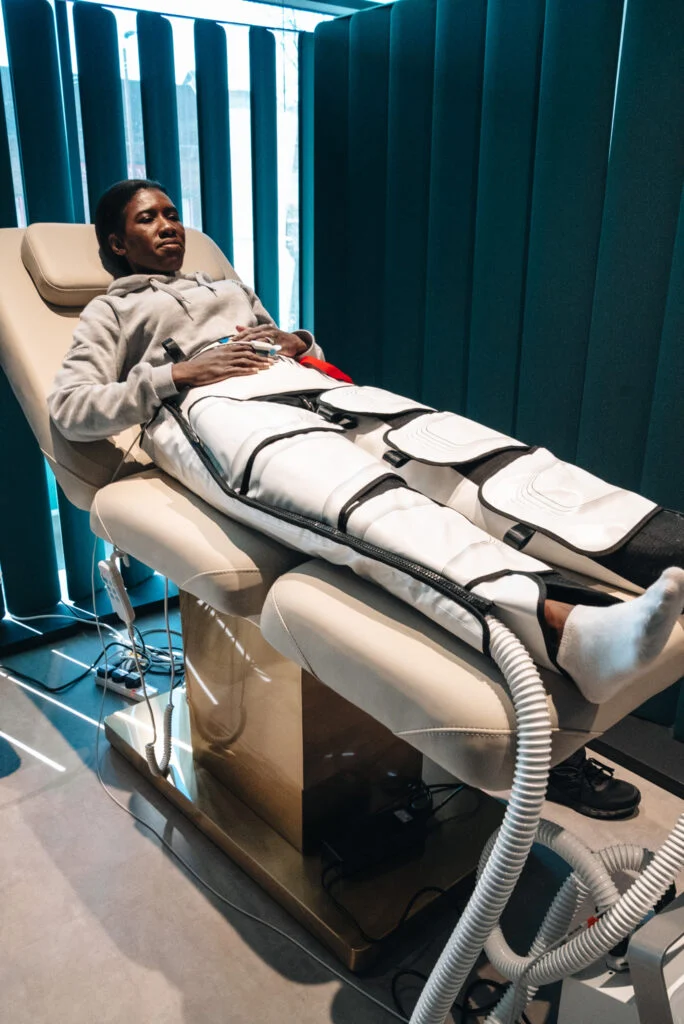
Delayed onset muscle soreness (DOMS) is a common response to intense or unfamiliar exercise. While it typically resolves on its own, recovery can be supported by improving circulation, managing inflammation, and promoting muscle repair. Light movement, compression, and contrast therapies can help ease stiffness, reduce discomfort, and support faster recovery after intense exercise.
What Causes DOMS?
DOMS is caused by microscopic damage to muscle fibres following intense or new forms of exercise. This triggers inflammation and sensitivity in the affected muscles, typically peaking 24-72 hours after activity.
How to Reduce Muscle Soreness Faster
- Gentle movement: low-intensity activity such as walking, cycling, or stretching helps increase circulation, which can reduce stiffness and support recovery.
- Compression: wearable garments or advanced compression therapy can help improve blood flow, reduce swelling, and ease muscle pain.
- Temperature therapy: Cold exposure, such as whole-body cryotherapy, helps to reduce inflammation faster, while heat can support relaxation and circulation depending on the stage of recovery.
How to Speed Up Muscle Strain Recovery
Recovering from a muscle strain or injury requires a more targeted approach than general soreness. Supporting tissue repair, maintaining controlled movement, and avoiding common setbacks can help promote a smoother and more efficient healing process.
What Your Body Needs to Heal Faster
- Oxygen: Oxygen is essential for tissue repair, helping drive the cellular processes that rebuild damaged muscle fibres.
- Nutrients: Adequate protein, vitamins, and minerals provide the building blocks needed for regeneration and recovery.
- Reduced inflammation: Managing excessive inflammation helps limit secondary damage and supports a faster healing response.
Common Mistakes That Slow Recovery
- Complete inactivity: While rest is important, prolonged inactivity can reduce circulation and delay healing. Gradual, guided movement is often more beneficial.
- Returning too soon: Resuming intense activity before tissues are fully repaired increases the risk of re-injury and prolongs overall recovery time.
- Ignoring inflammation: Persistent swelling or discomfort can indicate ongoing tissue stress. Failing to manage inflammation may slow healing and impact long-term recovery.
How to Recover Quicker After Injury or Surgery
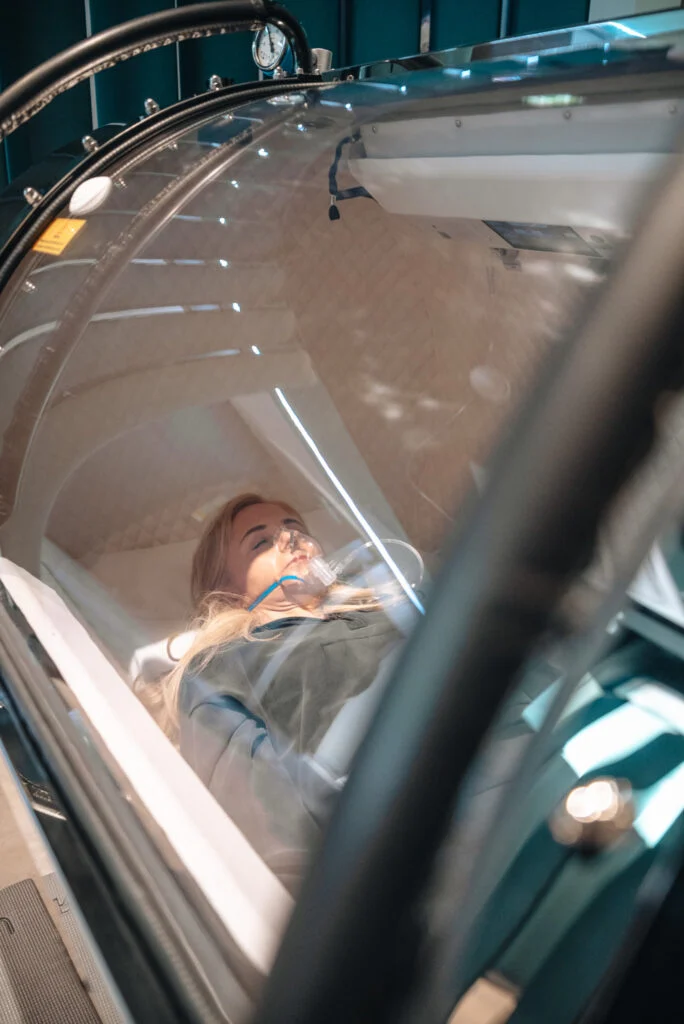
Recovery after surgery, injury, or illness places greater demands on the body. Supporting healing systems such as oxygen delivery, immune response, and tissue regeneration is key to effective recovery.
Key Factors That Influence Healing Speed
- Oxygen delivery: Efficient oxygen transport supports cellular energy production and plays a critical role in wound healing and tissue repair.
- Immune function: A well-functioning immune system helps protect against complications and supports the body’s natural healing processes.
- Tissue repair: The body’s ability to regenerate damaged tissue depends on cellular activity, circulation, and overall health status.
When Should You Consider Additional Recovery Support?
Physical recovery can sometimes feel slower than expected, whether due to fatigue, reduced mobility, or the severity of the illness or procedure. At Re:nu, we offer a range of treatments designed to improve oxygen availability, circulation, and cellular function, which can support your recovery process. If you’re wondering how to speed up injury or wound recovery, then speak to your medical professional and Re:nu wellness specialist. Remember, our approaches are designed to complement, not replace, medical advice.
How to Speed Up Body Recovery Using Biohacking Treatments
While traditional recovery methods are essential to supporting your body’s healing power, many people are turning to advanced, science-backed recovery methods to accelerate and strengthen their recovery. Here’s how many of the wellness treatments available at Re:nu can boost your recovery power.
Reducing Inflammation
Although inflammation initially triggers cellular repair, if it persists, it can cause pain, stiffness, and injury, all of which can impact your ability to recover. Re:nu’s top treatments for inflammation reduction include:
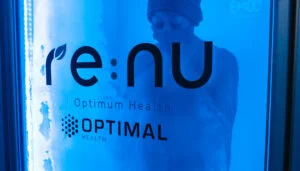
- Cryotherapy – sub-zero temperatures ease muscle soreness, swelling, and pain.
- Red Light Therapy – powerful wavelengths stimulate collagen production, which eases swelling of damaged tissue.
- Compression Therapy – gentle pressure encourages lymphatic drainage to reduce swelling and discomfort.
Improving Circulation
Healthy circulation is critical to recovery from DOMS, injury, and wounds. Supporting circulation ensures blood flows to damaged cells, giving them the nutrients they need to heal. Re:nu’s top therapies to improve circulation include:
- Compression Therapy – rhythmic massage stimulates blood flow and reduces the risk of blood clots.
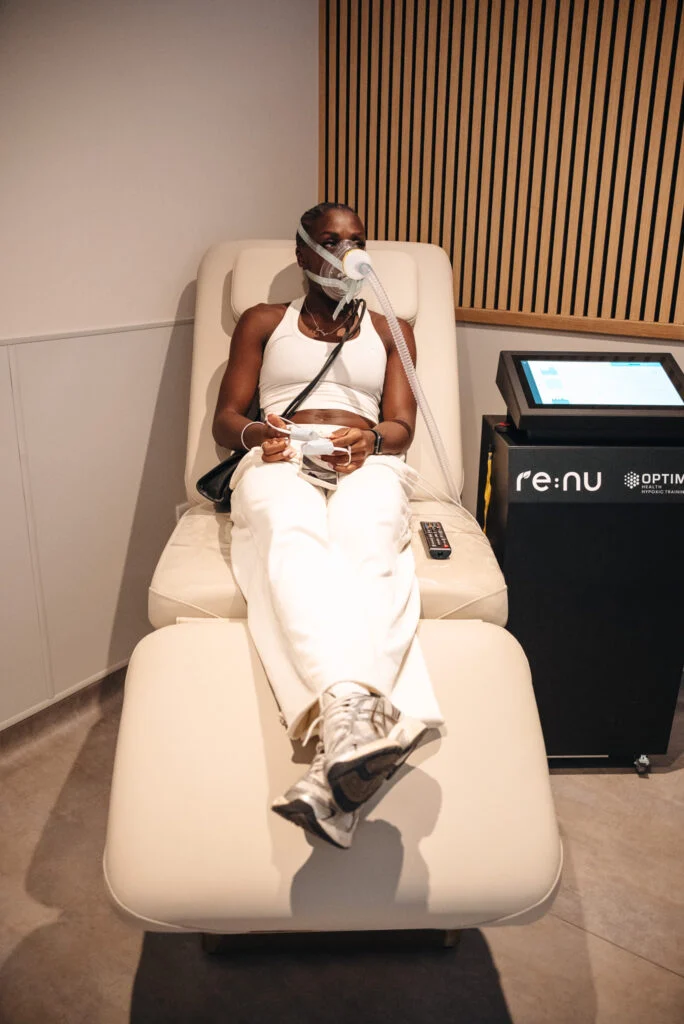
- Hypoxic Therapy – increases red blood cell production and cardiovascular efficiency.
- Red Light Therapy – red and near-infrared light relaxes blood vessels and improves blood flow.
Increasing Oxygen Delivery
Oxygen is essential for cellular repair. When our bodies go into repair mode – whether as a result of physical activity, injury, or recovery from surgery – our demand for oxygen increases. Increasing oxygen availability and optimising delivery to the areas that need it most help speed up the healing process. Re:nu’s top treatments to enhance oxygen delivery include:
- Hyperbaric Oxygen Therapy – breathing 95% oxygen in a pressurised chamber increases cellular oxygen intake.
- Hypoxic Therapy – Intermittent Hypoxic-Hyperoxic Training (IHHT) improves the usage and transportation of oxygen throughout the body.
- Cryotherapy – after cold exposure, the rewarming phase enhances oxygen delivery to muscles and extremities while speeding up metabolic function.
Supporting Cellular Repair
Mitochondrial function is crucial to cellular repair. By supporting ATP production (the cell’s energy source within the mitochondria), tissues are better able to heal and rebuild after strain, injury, or damage. Re:nu’s top treatments for cellular renewal and repair include:
- Red Light Therapy – wavelengths penetrate deep within the body’s cells, actively stimulating ATP production to increase cell regeneration.
- Hypoxic Therapy – IHHT supports healthy mitochondria, enhancing natural ATP production and optimising cellular efficiency.
- Hyperbaric Oxygen Therapy – increased blood oxygen levels support mitochondrial oxygen absorption, accelerating tissue recovery.
Why Stacking Recovery Treatments Can Improve Results
As we’ve seen, recovery isn’t driven by a single process. It involves multiple systems working together, including circulation, inflammation control, oxygen delivery, and cellular repair. That’s why combining different recovery approaches into targeted ‘stacks’ can encourage a faster recovery time than a single method alone. Examples of recovery-focused stacks include:
- For muscle soreness (DOMS): Cryotherapy combined with compression helps reduce muscle discomfort while supporting circulation.
- For muscle strain or injury: Oxygen therapies, such as HBOT and hypoxic, alongside red light therapy for cellular repair, provide optimal conditions for healing.
- For general recovery and performance: Circulation-focused therapies, such as compression, combined with cellular support of red light therapy or cryo treatments, can help the body recover more efficiently between sessions.
Rather than relying on a single solution, a structured combination of recovery methods allows you to support the body across multiple pathways, helping you recover smarter and faster.
Define Your Recovery Approach at Re:nu London
There is no one-size-fits-all approach to recovery. The right recovery strategy depends on your body, your lifestyle, and your goals.
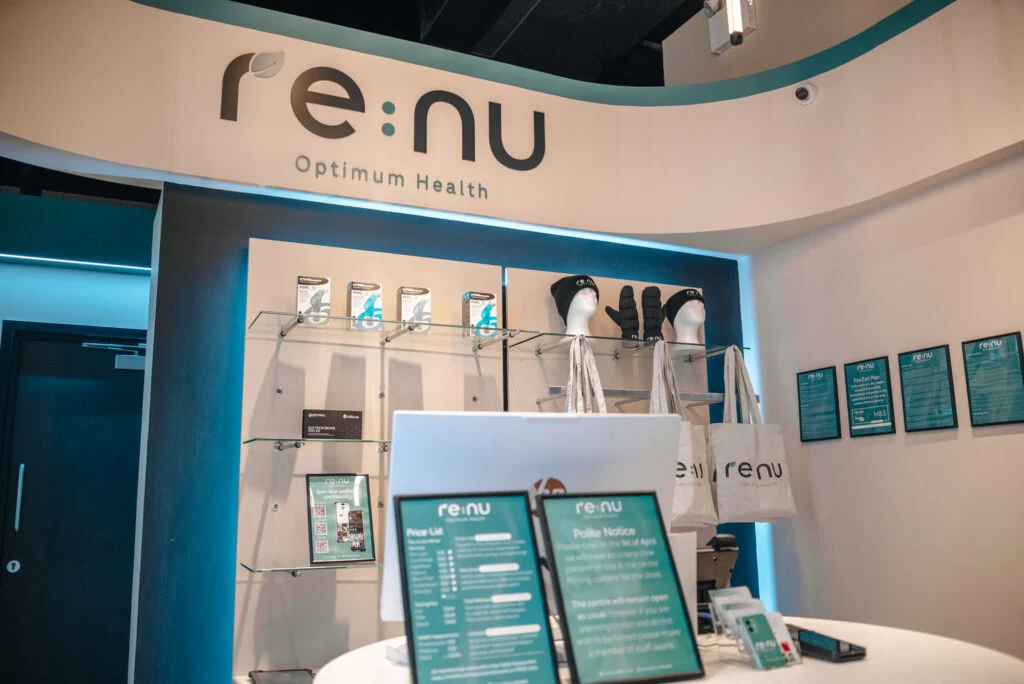
At Re:nu Optimum Health in Greenwich, London, we approach physical recovery in a personalised and structured way, helping you build a tailored recovery programme of multiple therapies that support your individual needs and goals.
We’ll help you identify the type of recovery you need (post-exercise, injury support, or surgical healing), select treatments that best support your journey, and help create a stacked recovery plan designed to complement your routine and optimise your results.
Whether you’re recovering from training, injury, or surgery, the right support can make a measurable difference. Explore our London recovery treatments or book a session online to accelerate your recovery today.
Explore Recovery Treatments
Book a Recovery Session
FAQs About Speeding Up Recovery
Can You Speed Up DOMS Recovery?
Yes, DOMS recovery can be supported by promoting circulation and managing inflammation. Light movement, compression, and temperature-based therapies may help reduce muscle soreness and stiffness. Maintaining good hydration, a healthy diet, and quality sleep also plays a key role in easing discomfort and supporting faster recovery.
How Can You Recover Faster After Surgery or Illness?
Recovery after surgery or illness can be supported by focusing on rest, nutrition, immune function, and oxygen delivery. Supporting circulation and cellular repair may help improve healing conditions. Additional recovery strategies, such as HBOT and red light therapy, can be used alongside medical care to support overall well-being and recovery progress.
Does Cryotherapy Support Recovery?
Cryotherapy may support recovery by helping to reduce inflammation, muscle soreness, and perceived fatigue after exercise. Exposure to cold temperatures constricts blood vessels and limits swelling, with the rewarming phase promoting circulation. When used alongside rest and proper nutrition, it can support a more efficient recovery process.
Is Red Light Therapy Good for Healing?
Red light therapy can support healing by stimulating cellular activity and promoting mitochondrial function, which plays a role in tissue repair. It is often used to help reduce inflammation and support skin and muscle recovery.
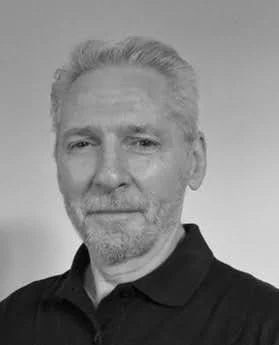
About the Author
Pat Viroux is a seasoned wellness expert and visionary member of the advisory board here at Re:nu Health, London. With over 20 years’ experience in the wellness industry, Pat champions scientific research and innovative therapies to provide accessible wellness solutions that inspire and transform lives.
While Re:nu treatments can support performance, recovery, and wellness, individual results may vary. Advice given is not intended to diagnose or treat any medical condition. Always consult a medical professional before beginning a new treatment regime.