
Wellness in 2026 is evolving beyond aesthetics and peak performance toward regenerative health — a science-backed approach that integrates advanced recovery and longevity optimisation designed to improve health today while protecting it for the future.
Increasingly, people are moving beyond quick fixes and short-term trends, seeking evidence-based wellness strategies that support cellular repair, nervous system regulation, and long-term healthspan.
Yet one critical piece is often overlooked: the powerful, biological link between mental health, recovery capacity, and lifespan. Chronic stress accelerates ageing, poor recovery impairs cognitive function, and mental resilience plays a vital role in long-term physical health.
In this guide, we explore the science connecting recovery, longevity, and mental well-being, and how Re:nu London’s science-backed biohacking and regenerative therapies are redefining what sustainable, high-performance wellness looks like in the UK.
Begin your integrated wellness routine at Re:nu London today.
The Science Linking Mental Health, Recovery & Longevity
Mental health, physical recovery, and long-term health are more connected than we once thought. When the body is under constant pressure — whether from work stress, poor sleep or intense training — it can remain in a prolonged “fight or flight” state. Over time, this affects the nervous system, hormone balance, and the body’s ability to repair itself.
This is why modern wellness increasingly focuses on recovery and nervous system health as part of a sustainable longevity strategy. Supporting both mental well-being and physical recovery helps the body stay resilient, energised, and better equipped to maintain health as we age.
How Chronic Stress Impacts Lifespan
Stress is a natural response to life’s challenges, but when it becomes constant or unmanageable, it can place strain on the body.
When we’re stressed, the body releases cortisol, a hormone that helps us respond to pressure. During prolonged periods of stress, cortisol levels remain elevated — something researchers describe as allostatic load, or the cumulative wear and tear on the body caused by chronic stress. Over time, this can:
- Increase inflammation, which is linked to many age-related conditions
- Weaken the immune system, making the body more vulnerable to illness
- Disrupt sleep and recovery, reducing the body’s ability to repair and recharge
Why Recovery is a Longevity Strategy
If chronic stress accelerates wear and tear on the body, recovery helps restore balance.
Recovery allows the nervous system to shift into its “rest and repair” mode, where the body can focus on repairing tissues, restoring energy, and supporting long-term health. Regular recovery support can help:
- Improve sleep quality, which supports brain health and cellular repair
- Reduce inflammation, helping protect long-term well-being
- Balance stress hormones, including cortisol
- Support energy production, improving resilience and performance
The Brain-Body Feedback Loop
Mental well-being and physical recovery influence each other in a continuous brain–body feedback loop.
When we feel stressed or mentally drained, the body often struggles to relax and recover properly. Likewise, when the body is well rested and recovered, we tend to experience better focus, improved mood, and stronger emotional resilience.
Over time, this positive cycle helps support healthier behaviours and stronger long-term well-being, showing why recovery, mental health, and longevity are increasingly treated as part of the same wellness journey.

Recovery as the Foundation of Longevity
When people think about longevity, they often focus on doing more — exercising harder, optimising nutrition, or adding new health habits. But longevity isn’t only built through activity; it’s also supported by how well the body can recover between those demands.
Every day life places stress on the body, from work pressures and environmental factors to physical exertion and lack of sleep. Recovery is what allows the body to reset after these demands, helping maintain balance across energy, mood, and physical health. Over time, this helps create a healthy foundation for sustainable and long-lasting well-being.
Making recovery a consistent part of your wellness routine can help:
- Prevent burnout and chronic fatigue, helping maintain sustainable energy levels
- Support consistent physical performance for long-term strength and resilience
- Improve mental clarity and focus, supporting healthy cognitive function as you age
- Build resilience to everyday stress, making it easier for the body to adapt and recover
Rather than viewing recovery as a passive break, modern wellness increasingly recognises it as an active and essential part of maintaining long-term health. When recovery is prioritised alongside movement, nutrition, and sleep, it helps create a more balanced foundation for healthy ageing.
How Does Mental Health Affect Longevity?
Mental health plays a significant role in how the body functions over time. Our emotional state influences sleep, stress levels, hormone balance, and daily behaviours — all of which contribute to long-term health.
When mental well-being is supported, people are generally better able to maintain healthy habits such as regular movement, restorative sleep, and balanced routines. These behaviours help protect both physical and cognitive health as we age.
However, when stress, anxiety, or burnout become persistent, they can start affecting the body more directly. Long-term psychological strain may contribute to:
- Disrupted sleep, which reduces the body’s ability to recover and repair
- Higher levels of inflammation affecting overall health and resilience
- Changes in hormone balance, particularly related to stress
- Lower motivation for healthy behaviours, such as exercise or nutritious eating
By supporting mental well-being, prioritising recovery, and building resilience, it becomes easier to maintain positive habits that promote a higher quality of life in the future.
How Biohacking Treatments Support Regenerative Health and Wellness
Understanding the connection between recovery, mental health, and longevity is one thing, but supporting these systems in everyday life is another.
Modern biohacking and recovery therapies are designed to support the body’s natural repair processes, helping regulate the nervous system, improve recovery capacity, and strengthen long-term resilience.
At Re:nu London, our advanced treatments work together to support regenerative health. Rather than targeting a single outcome, our mix of complementary therapies helps create a more integrated health and wellness plan that supports recovery, mental clarity, and long-term vitality.

Oxygen & Cellular Repair
Hyperbaric oxygen therapy (HBOT) increases the amount of oxygen dissolved in the bloodstream, allowing it to reach tissues that may otherwise receive limited oxygen. This enhanced oxygen delivery supports the body’s natural repair processes and helps restore balance after physical or mental stress.
HBOT can help to:
- Accelerate tissue repair and recovery, supporting the body after injury, illness, or physical strain
- Support brain health, helping improve cognitive function, memory, and mental clarity
- Promote relaxation and better sleep, essential for long-term recovery and well-being
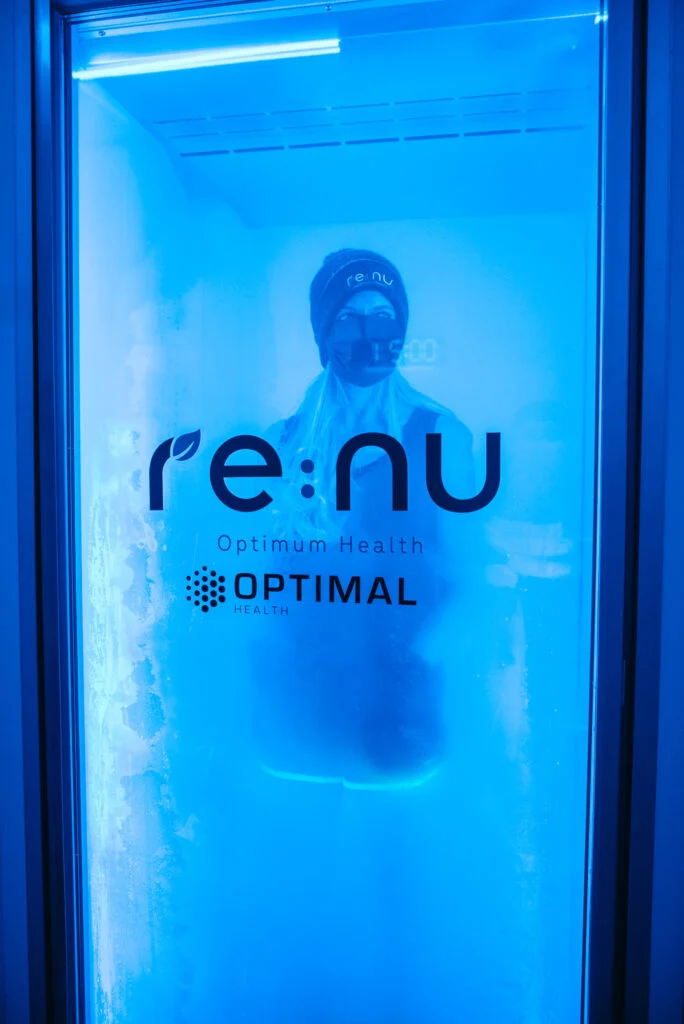
Cold Exposure & Inflammation Regulation
Short bursts of cold exposure can have profound effects on the body and mind. Our whole-body cryotherapy chambers trigger the body’s cold shock response to optimise cellular function and vitality.
Cryotherapy can help to:
- Boost endorphins and mood, helping reduce stress and support mental well-being
- Increase circulation and blood flow, which supports faster recovery and cellular repair
- Reduce swelling and inflammation, helping protect joint health and mobility over time

Light Therapy & Mitochondrial Health
Healthy mitochondria — the tiny structures responsible for producing energy inside our cells — play a key role in both recovery and longevity. Full-body red light therapy uses targeted red and near-infrared wavelengths to stimulate cellular energy production and support the body’s natural repair processes.
Red light therapy can help to:
- Increase cellular repair and regeneration, important for recovery and healthy ageing
- Reduce joint pain and chronic inflammation, supporting physical recovery and long-term well-being
- Improve cognitive function, reducing brain fog, stress, and anxiety
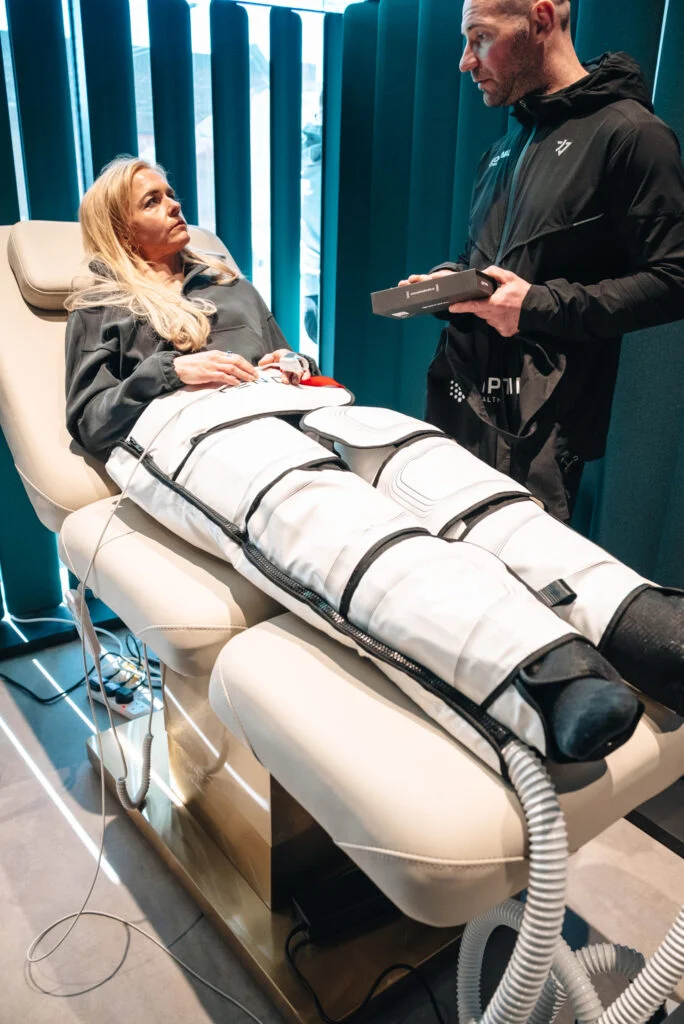
Nervous System Regulation
Compression and lymphatic drainage therapy uses dynamic air pressure and massage techniques that align with your heart’s rhythm, supporting physical recovery, energy, and nervous system health.
Compression therapy can help to:
- Improve circulation, enhancing long-term cardiovascular health and reducing the risk of blood clots
- Encourage lymphatic drainage, reducing swelling, inflammation, and water retention that can impact mobility
- Promote relaxation, alleviating physical and mental fatigue to balance the nervous system
What Does an Integrated Wellness Journey Look Like?
At Re:nu, we believe the future of wellness is integrated and personalised. Just as no single wellness plan fits every individual, no single therapy can address every aspect of health.
Instead, an integrated approach combines assessment, targeted recovery interventions, and ongoing health insights to support recovery, mental well-being, and longevity together.
A simple framework for starting your integrated wellness journey might include:
1. Understand Your Baseline
Every wellness journey should start with understanding your current health. Our advanced health assessments help identify areas such as stress levels, recovery capacity, and overall well-being, allowing you to build a personalised routine tailored to your goals.
2. Prioritise Recovery
Recovery helps the body restore balance after physical and mental stress. Treatments that support circulation, oxygen delivery, and cellular repair can help the body recover more efficiently while supporting long-term health.
3. Support Mental Resilience
Mental well-being is a key part of sustainable health. Practices and therapies that promote relaxation, nervous system balance, and restorative sleep can help improve mood, focus, and emotional resilience.
4. Optimise for Long-Term Health
Longevity isn’t built overnight. Consistent wellness habits that support recovery, energy, and resilience help create the foundation for maintaining health, vitality, and performance as you age. At Re:nu, these elements work together to create a holistic wellness approach, helping you feel better in the present while investing in your long-term health.
Re:nu’s Approach to Regenerative Health in London
At Re:nu London, our mission is to help people take a proactive approach to their health. Through our expert blend of innovative, science-backed therapies, expert team knowledge, and personalised wellness approach, we’ll help you build an integrated wellness plan to restore, repair, and renew your physical and mental health.
Whether your goal is improving energy, enhancing recovery, or investing in long-term health, our treatments are designed to support regenerative wellness at every stage of life. So, if you’re ready to embark on a journey of science-based wellness in 2026, visit Re:nu Optimum Health in Greenwich, London, or book a regenerative treatment or health assessment today.
Explore All Treatments Book a Health Assessment
FAQS
How do Recovery, Longevity, and Mental Health Connect?
Recovery, longevity, and mental health are closely connected through the nervous system, inflammation response, and hormonal balance. Chronic stress can accelerate ageing, while effective recovery supports both physical and mental resilience. When recovery and mental well-being are supported together, they help improve long-term health, resilience, and overall healthspan.
How Does Stress Affect Life Expectancy?
Ongoing stress puts the body under constant pressure. Over time, this can disrupt sleep, increase inflammation, and strain the heart and immune system. When stress isn’t managed, it can raise the risk of long-term health conditions. Learning how to regulate stress and build recovery into your routine supports both immediate well-being and future health.
Why Integrate Recovery into Daily Life?
Integrating recovery into daily life supports nervous system regulation, reduces inflammation, and improves energy, focus, and resilience. Regular recovery practices enhance the body’s ability to repair tissues, regulate hormones, and manage stress. Over time, this improves performance and protects long-term health.
What is Regenerative Wellness?
Regenerative wellness is a science-led approach to health that focuses on cellular repair, nervous system balance, and long-term resilience. Rather than treating symptoms, it supports the body’s natural recovery processes to optimise healthspan, mental clarity, and physical performance. It integrates recovery therapies, stress regulation, and preventative health strategies to protect future well-being.

About the Author
Pat Viroux is a seasoned wellness expert and visionary member of the advisory board here at Re:nu Health, London. With over 20 years’ experience in the wellness industry, Pat champions scientific research and innovative therapies to provide accessible wellness solutions that inspire and transform lives.
While Re:nu treatments can support performance, recovery, and wellness, individual results may vary. Advice given is not intended to diagnose or treat any medical condition. Always consult a medical professional before beginning a new treatment regime.