Red light therapy uses specific wavelengths of red and near-infrared light to stimulate the body’s natural healing processes at a cellular level. For people living with joint pain, inflammation, or slow-healing injuries, it offers a non-invasive, drug-free way to support recovery, helping ease discomfort, calm inflamed tissue, and speed up the body’s repair mechanisms.
Chronic pain is one of the UK’s most widespread – and most underestimated – health challenges. According to a recent NHS Health Survey for England, 26% of adults live with chronic pain, and 13% experience high-impact pain severe enough to impact their daily life. The most common sites of pain? Arms, hands, hips, legs, feet, and back – all musculoskeletal areas where inflammation and joint damage sit at the heart of the problem.
Red light therapy for pain relief is gaining global recognition as a natural, non-invasive way to support those living with chronic pain. Also known as photobiomodulation (PBM), red light therapy supports the body’s natural anti-inflammatory and healing pathways, making it one of the most researched biohacking therapies in the last decade. With applications spanning joint pain, tendon injuries, chronic inflammation, and post-exercise recovery, the scope of red light’s healing ability is far-reaching.
In this guide, we break down what red light therapy actually does for joint pain and inflammation, how it supports the body’s healing response, what the research says, and what to realistically expect from a course of treatment at Re:nu.
Searching for natural, effective pain relief in London?
Visit Re:nu Optimum Health in Greenwich to experience the power of full-body red light therapy.
How Does Red Light Reduce Pain?
Red light therapy reduces pain by calming inflammation, boosting cellular energy production, and improving blood flow to damaged tissue. When red and near-infrared wavelengths penetrate deep into the body, they trigger a cascade of natural repair responses, giving the body the resources it needs to heal itself rather than simply masking the pain.
Here’s what happens during red light treatment:
- Light penetrates the tissue. Red and near-infrared wavelengths (between 633nm and 940nm) pass through the skin and reach muscles, joints, and connective tissue – areas where pain and inflammation often originate.
- Cells absorb the light and produce more energy. The mitochondria – the energy centres inside every cell – absorb these wavelengths and ramp up the production of ATP (adenosine triphosphate), speeding up the repair and regeneration of damaged tissue.
- Inflammation is reduced. Increased cellular activity helps minimise the inflammatory response in stressed or injured tissue – one of the primary drivers of ongoing joint pain and stiffness.
- Circulation improves. Red light stimulates healthy blood flow to the treatment area, delivering oxygen and nutrients that accelerate tissue recovery and flush out inflammatory by-products.
The result? A gentle, cumulative effect: less pain, less swelling, and faster healing.
Red Light Therapy for Joint Pain and Arthritis
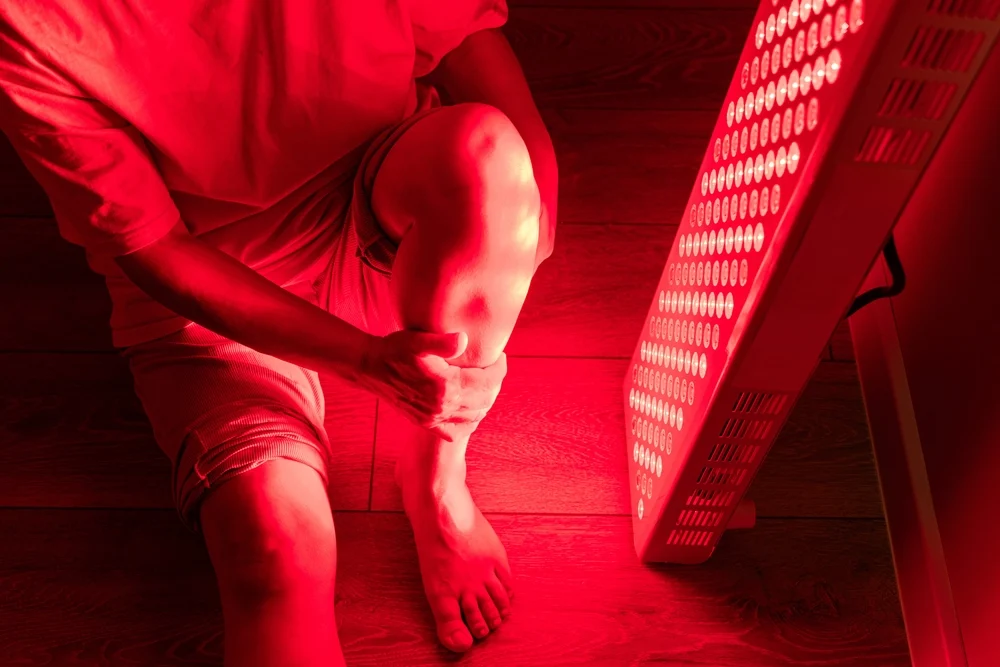
Joint pain is one of the most studied applications of red light therapy – particularly for osteoarthritis, rheumatoid arthritis, and the everyday stiffness that comes with an active or ageing body.
How it Helps Joint Pain
Joints rely on a healthy balance of cartilage, synovial fluid, and surrounding soft tissue. When that balance is disrupted – through wear, injury, or an inflammatory condition – pain and reduced mobility follow. Red light therapy supports joint health in three key ways:
- Calms inflammation in the joint lining and surrounding tissue, reducing swelling and the chemical signals that drive ongoing pain.
- Boosts local circulation, helping deliver oxygen and nutrients that support cartilage and connective tissue repair.
- Stimulates cellular energy production, giving the body more capacity to maintain and repair joint structures over time.
How Does Red Light Therapy Help Arthritis Pain?
For people living with osteoarthritis – the UK’s most common form of arthritis – red light therapy can offer meaningful support to conventional care. A 2024 systematic review into red light therapy for knee pain found that photobiomodulation significantly reduced pain intensity in patients with knee osteoarthritis and may improve day-to-day disability, particularly when used alongside other recommended therapies.
Red Light Therapy for Inflammation and Chronic Pain
Chronic inflammation sits at the root of many long-term pain conditions – from stubborn back pain and fibromyalgia to unresolved sports injuries. Where painkillers dull the signal, red light therapy works on the underlying inflammatory response, offering a way to manage chronic pain without piling on medication.
The Inflammation-Pain Connection
Inflammation is the body’s natural response to injury or stress, but when it persists, it becomes a problem in its own right. Chronic inflammation keeps nerve endings sensitised, slows tissue repair, and locks the body in a cycle of discomfort. Red light therapy for pain helps break that cycle by:
- Reducing inflammatory signalling in tissue, particularly the cytokines responsible for ongoing pain and swelling.
- Lowering oxidative stress at a cellular level, which helps protect tissue from further damage.
- Supporting healthy circulation so the body can clear inflammatory by-products and deliver what it needs to heal.
Who Benefits Most?
Red light therapy for chronic pain is particularly well-suited to people managing persistent back pain, fibromyalgia, tendonitis, repetitive strain injuries, and other long-term pain conditions. For those who’ve spent years cycling through painkillers and anti-inflammatories, red light therapy offers something different: a way to support the body’s own anti-inflammatory systems, rather than simply suppressing the symptoms.
The non-invasive treatment can also help support short-term pain relief by reducing inflammation, easing muscle soreness, and promoting faster recovery after exercise, injury, or physical strain.

Red Light Therapy for Wound Healing and Recovery
Red light therapy has been used for decades to support wound healing, tissue repair, and post-injury recovery, thanks to its ability to stimulate the cells responsible for rebuilding damaged tissue. Whether you’re recovering from surgery, a sports injury, or an everyday strain, red light therapy can give the body’s natural repair processes a measurable boost.
How Does Red Light Therapy for Healing Work?
When the body is injured, repair depends on three core processes: cell regeneration, collagen production, and strong blood flow to the affected area. Red light therapy influences all three:
- Stimulates fibroblasts – the cells responsible for producing collagen, the structural protein that rebuilds skin, tendons, and connective tissue.
- Accelerates tissue regeneration by powering up cellular energy (ATP) production, giving cells the fuel they need to repair efficiently.
- Improves oxygenation and nutrient delivery through better local circulation, supporting faster, cleaner healing.
Red Light Therapy for Muscle Pain Recovery
Red light therapy isn’t just for injury recovery – it’s widely used by athletes, active professionals, and weekend warriors to shorten muscle recovery time and reduce post-exercise soreness. Studies show that photobiomodulation can reduce delayed-onset muscle soreness (DOMS) when used either before or after exercise, helping the body bounce back faster from tough training blocks.
For our clients in Greenwich and across South East London, this makes red light a natural fit alongside strength training, running, cycling, or team sports, and a valuable tool for keeping injury risk down as you age actively.
What the Science Says about Red Light Therapy for Pain Relief
Red light therapy has moved from alternative therapy to a recognised, evidence-supported option for managing pain and inflammation, with hundreds of clinical trials and systematic reviews published over the last decade. While it isn’t a miracle cure, the research picture is increasingly consistent: for the right conditions and at the right dose, red light therapy works.
Here’s a snapshot of the current evidence supporting red light therapy for pain relief:
- Knee osteoarthritis: A 2024 meta-analysis in Physical Therapy concluded that photobiomodulation lowers pain intensity and may improve day-to-day function in patients with knee osteoarthritis.
- Fibromyalgia and chronic pain: A 2025 umbrella review of randomised trials reported moderate-certainty evidence that red light therapy reduces fibromyalgia-related fatigue and supports function in knee osteoarthritis.
- Musculoskeletal pain: Research published in PubMed has shown red light therapy can reduce musculoskeletal pain across a range of common conditions, including non-specific knee pain, neck pain, low back pain and post-operative recovery.
- Wound healing and recovery: Clinical reviews consistently report that photobiomodulation accelerates tissue perfusion, supports wound closure, and aids post-surgical recovery.
Red light therapy isn’t a standalone cure for chronic pain. Researchers generally agree that it works best as part of a wider, evidence-informed recovery plan – one that might include physiotherapy, tailored exercise, good sleep, and appropriate medical care. What makes it a standout option is its safety profile: non-invasive, drug-free, with minimal reported side effects when delivered at clinically-appropriate doses.
That’s why our team at Re:nu uses red light therapy as one tool among several – always within a personalised plan, always grounded in the latest research, and always tailored to the individual’s goals.

What to Expect from a Course of Red Light Therapy for Pain
Most people notice an improvement in pain and stiffness within the first few sessions, with deeper, longer-lasting relief building over a course of consistent treatments. Red light therapy works cumulatively: the more regularly you attend, the more your body adapts and repairs.
At Re:nu, every treatment plan starts with a free, personalised consultation. Our wellness experts will discuss your current pain levels, physical activity, medical history, and recovery goals before recommending a tailored course of sessions – often combined with complementary biohacking therapies like cryotherapy or PEMF for a fuller recovery approach.
Typical expectations for pain-focused treatment plans:
- Early sessions (1-5): Mild pain relief, reduced muscle soreness, noticeable improvement in stiffness after exercise or activity.
- Mid-course (6-10): Deeper easing of inflammation, improved joint mobility, faster post-exercise recovery.
- Long-term (11+): Meaningful reduction in chronic pain intensity, better day-to-day function, sustained joint comfort.
These ranges are a general guide – we’ll tailor your plan to your specific condition and goals.
Red light therapy is designed to complement, not replace, your existing medical care. If you’re managing an ongoing condition or taking prescribed medication, always speak with your GP before starting a new therapy.
The Best Red Light Therapy for Pain and Inflammation in London
We know how disruptive living with pain can be. If you’re looking for a natural, effective, and science-backed therapy to support your recovery, Re:nu’s wellness centre in Greenwich, London, can help.
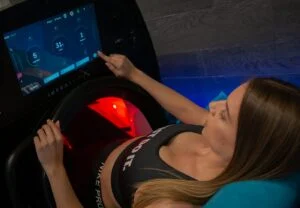
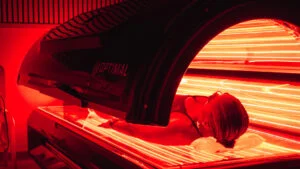
Our full-body red light therapy bed features 42,000 individual LEDs across five red and near-infrared wavelengths (633nm, 660nm, 810nm, 850nm and 940nm), designed for complete coverage and clinically informed dosing. Every session is backed by the hands-on support of our wellness team, who’ll guide you through a recovery plan tailored to your goals.
Relaxing, non-invasive, and pain-free, red light therapy fits easily into busy lives. Visit us in Charlton Riverside, Greenwich, give our team a call on 020 3972 0182, or book your first session online to experience the transformative power of red light therapy.
FAQs About Red Light Therapy for Pain
How Does Red Light Therapy Reduce Inflammation in Joints?
Red light therapy reduces joint inflammation by delivering red and near-infrared wavelengths directly into the joint capsule, where they’re absorbed by the mitochondria in surrounding tissue cells. This calms the production of inflammatory cytokines – the chemical messengers that drive swelling, stiffness, and pain – while boosting circulation to help clear inflammatory by-products. The result is less swelling around the joint, improved mobility, and reduced day-to-day discomfort.
Is Red Light Therapy Safe for Arthritis?
Red light therapy is widely considered safe for people with arthritis when delivered at clinically-appropriate doses. It’s non-invasive and drug-free, making it a gentle option for sensitive or inflamed joints. If you’re managing rheumatoid arthritis, osteoarthritis, or another inflammatory condition, it’s always best to speak to your GP or specialist before starting, particularly if you take photosensitive medication or have an active flare-up.
Can Red Light Therapy Help with Tendonitis?
Yes, red light therapy can help with tendonitis by stimulating the cells responsible for rebuilding tendon tissue and calming the inflammatory response that causes persistent pain. Research suggests that photobiomodulation supports collagen production and accelerates tendon repair, making it a useful option for conditions such as Achilles tendonitis, tennis elbow, and rotator cuff strain. It’s typically most effective when used as part of a wider recovery plan alongside rest, physio, or targeted exercise.
Does Red Light Therapy Work for Lower Back Pain?
Yes, red light therapy for back pain helps reduce muscle tension, calm inflammation, and support the healing of strained soft tissue around the spine. It works particularly well for non-specific chronic lower back pain – the most common type affecting UK adults – and is often used alongside physio, stretching, and strength work.

About the Author
Pat Viroux is a seasoned wellness expert and visionary member of the advisory board here at Re:nu Health, London. With over 20 years’ experience in the wellness industry, Pat champions scientific research and innovative therapies to provide accessible wellness solutions that inspire and transform lives.
While Re:nu treatments can support performance, recovery, and wellness, individual results may vary. Advice given is not intended to diagnose or treat any medical condition. Always consult a medical professional before beginning a new treatment regime.