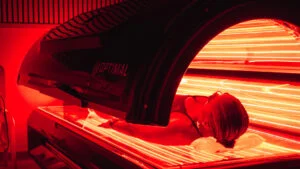
This has to be one of our coldest winters in a long time, don’t you agree? A drop in temperature isn’t just uncomfortable; it can make joint pain, muscle stiffness, inflammation, aches and fatigue even worse. In fact, drops in temperature, daylight, and activity levels are closely linked to increased musculoskeletal pain, reduced circulation, and slower recovery.
But winter aches and pains are not inevitable. By using science-backed biohacking strategies, from light-based therapies and cold exposure to oxygen optimisation and advanced recovery technologies, we can not only get through winter but thrive in it.
As leaders in evidence-led wellness biohacking, this guide explores why winter pain happens, the biology behind cold-weather stiffness, and the most effective biohacking treatments and habits to help you recover faster, move better, and thrive all winter long.
Reduce winter aches and pains.
Visit Re:nu Optimum Health in Greenwich, London, or browse our treatments.
Why Do I Ache More in the Winter?
Many people notice that joint pain, muscle stiffness, and general aches become more pronounced during winter. This is not just a coincidence. Colder temperatures, reduced daylight, and changes in daily movement all affect how the body circulates blood, repairs tissue, and manages inflammation.
- Less sunlight reduces natural Vitamin D levels
Shorter days mean less exposure to natural sunlight, which can lead to reduced vitamin D levels. Vitamin D plays an important role in muscle function, joint health, and inflammation regulation, and lower levels are commonly associated with increased aches, weakness, and slower recovery during winter. - Cold air irritates the lungs and breathing airways
Cold temperatures cause the body to conserve heat by narrowing blood vessels. This reduced circulation limits the delivery of oxygen and nutrients to muscles and joints, making them feel stiffer, tighter, and more prone to discomfort, particularly first thing in the morning or after periods of inactivity. - Outdoor air and indoor heating are drying
Winter air, combined with central heating, creates a dry environment that contributes to dehydration of the skin, connective tissues, and joints. When tissues are less hydrated, they lose elasticity, which can increase feelings of tightness, soreness, and sensitivity. - Cold weather makes us less likely to exercise
Shorter days and colder weather often lead to less movement and more time spent sitting indoors. Reduced activity can cause muscles to tighten and joints to stiffen, increasing the likelihood of aches, postural discomfort, and slower recovery. - Some viruses survive better in cold weather
Some viruses survive more easily in colder temperatures, and dry winter air can compromise the mucous membranes that help defend the body. When the immune system is under strain, the body may take longer to recover from illness, leading to lingering aches, fatigue, and inflammation.
So, yes, winter can deliver more than its fair share of aches, pains, bugs and bothers. However, that doesn’t mean we have to just shrug our shoulders and soldier on. Not when cutting-edge biohacking treatments are available…
4 Ways to Biohack Winter in the United Kingdom
As London-based leaders in wellness biohacking technology, Re:nu doesn’t accept the winter bug status quo. Instead, we provide a range of non-invasive health and wellness treatments that help you take control of your health, no matter how far the Mercury plummets. Your winter recovery begins the moment you walk through our door…
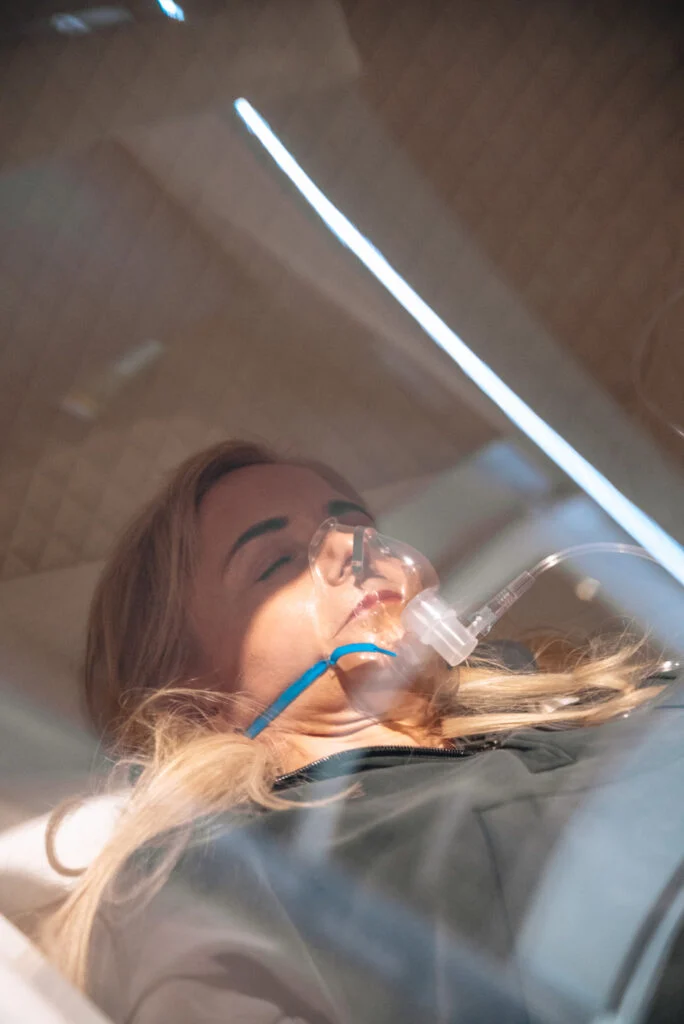
1. Hyperbaric Oxygen Therapy (HBOT) – Repair
Hyperbaric Oxygen Therapy supports the body during winter by increasing oxygen delivery at a cellular level, helping to reduce aches, stiffness, and lingering fatigue caused by cold weather and reduced circulation. Enhanced oxygenation supports tissue repair, inflammation control, and immune resilience during seasonal stress.
By improving oxygen availability throughout the body, HBOT helps relieve winter-related muscle and joint discomfort, supports recovery, and restores clarity and energy, allowing you to move through the New Year feeling stronger, sharper, and more resilient.
Key winter benefits include:
- Supports recovery from cold-weather aches and pains
- Enhances circulation and tissue repair
- Helps combat winter fatigue and sluggishness
- Supports immune health during peak season
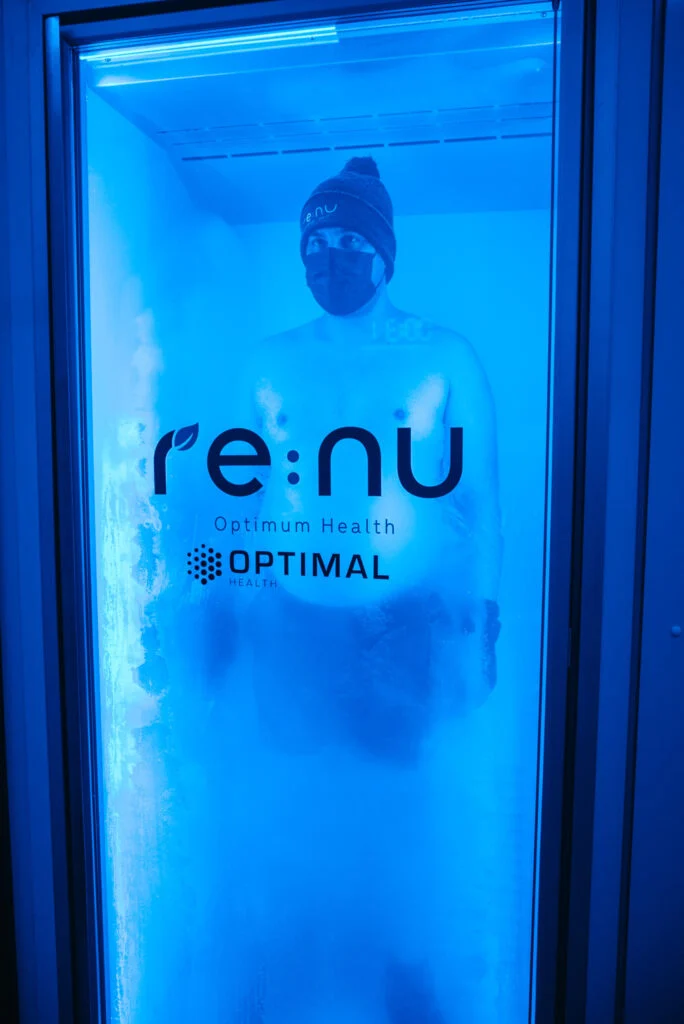
2. Cryotherapy – Relief
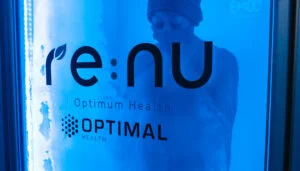
Cryotherapy uses short, controlled exposure to subzero temperatures to stimulate the nervous system and reduce inflammation, making it a highly effective tool for easing winter aches, muscle soreness, and joint stiffness. The cold triggers a rapid circulatory response, helping flush metabolic waste and support faster recovery when movement levels and circulation tend to drop during winter.
Beyond physical relief, cryotherapy delivers an immediate boost in alertness, energy, and mood, helping counteract winter sluggishness and low motivation often experienced at this time of year.
Key winter benefits include:
- Reduces inflammation and muscle soreness linked to cold-weather stiffness
- Supports joint comfort and faster recovery
- Enhances energy, focus, and mental resilience
- Helps regulate the nervous system during winter stress
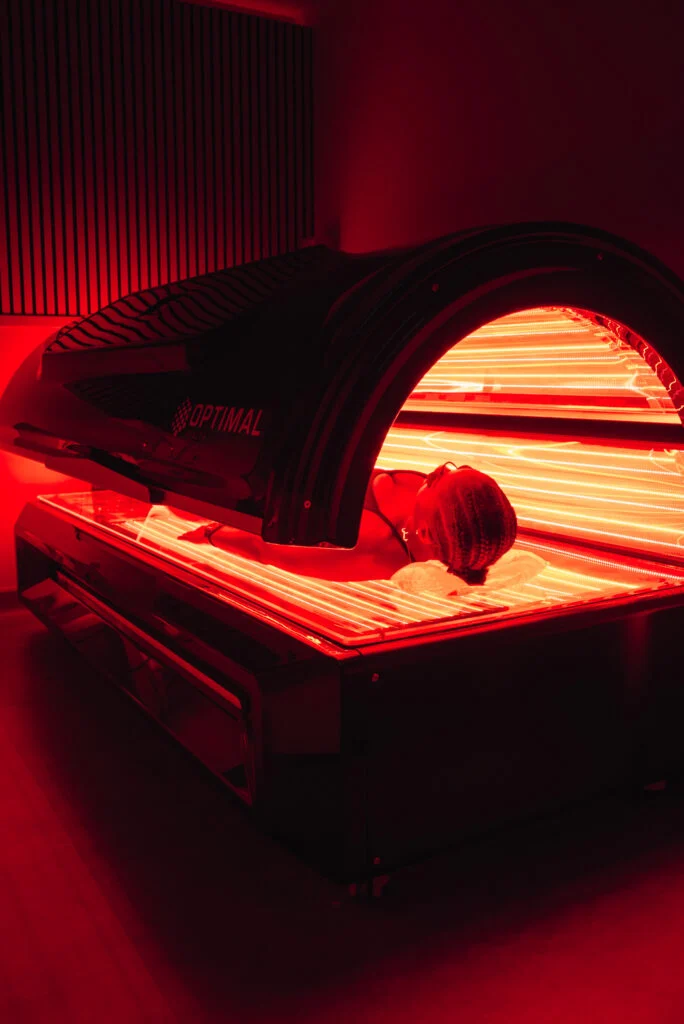
3. Red Light Therapy – Vitality
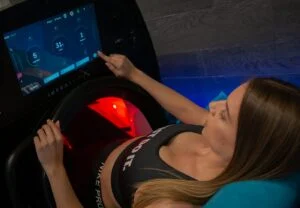
This is one of the most popular joint ache natural remedies on offer here at Re:nu. Red light therapy (RLT) and near-infrared light support the body at a cellular level, helping to restore energy, reduce inflammation, and ease aches that often worsen during winter. By stimulating mitochondrial activity, this treatment helps muscles and joints recover more efficiently while supporting circulation during colder, darker months.
Red light therapy is also known to support mood and sleep quality, both of which can be disrupted in winter. The result is a body that feels less stiff, more resilient, and better equipped to handle the season’s physical and mental demands.
Key winter benefits include:
- Supports cellular energy and reduces winter fatigue
- Helps relieve muscle and joint discomfort
- Encourages faster recovery and reduced inflammation
- Supports better sleep and emotional balance
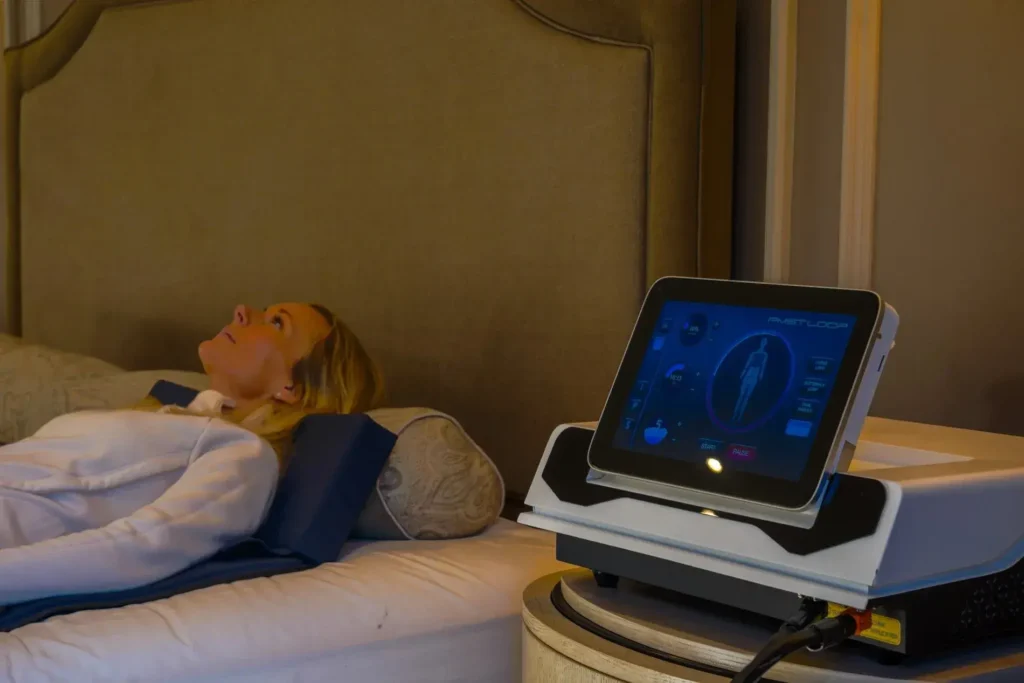
4. Pulsed Electromagnetic Field (PEMF) – Balance
Pulsed Electromagnetic Field (PEMF) therapy supports the body during winter by encouraging cellular repair and calming an overstimulated nervous system. Colder months often place extra strain on the body, contributing to muscle tension, poor sleep, and lingering aches. PEMF helps restore cellular balance, supporting recovery when the body feels run-down.
This gentle, non-invasive therapy is particularly effective for easing physical tension, improving sleep quality, and supporting energy levels, helping you feel more grounded and resilient as winter continues.
Key winter benefits include:
- Helps reduce stress and calm the nervous system
- Supports recovery from winter aches and muscle tension
- Improves sleep quality and daily energy
- Encourages cellular repair and resilience
| Winter Ailment | Winter Biohacking Treatment Option | Health & Wellness Outcomes |
|---|---|---|
| Joint stiffness and aching joints | Red Light Therapy | -Reduced joint discomfort -Improved circulation to affected areas -Better mobility |
| Muscle soreness and tightness | Cryotherapy | -Reduced inflammation -Faster muscle recovery -Less post-exertion soreness |
| General aches and slow recovery | Hyperbaric Oxygen Therapy | -Enhanced tissue repair -Improved recovery capacity -Reduced lingering aches |
| Lower back pain and postural tension | PEMF Therapy | -Relaxation of muscle tension -Improved cellular repair -Reduced pain sensitivity |
| Poor circulation and cold extremities | Cryotherapy | -Improved vascular response -Enhanced blood flow after treatment -Warmer extremities |
| Winter fatigue and low energy | Red Light Therapy | -Improved cellular energy production -Increased daily energy -Reduced fatigue |
| Poor sleep and night-time discomfort | PEMF Therapy | -Calmer nervous system -Improved sleep quality -Reduced night-time pain |
| Lingering aches after illness or inactivity | Hyperbaric Oxygen Therapy | -Accelerated healing -Improved oxygen delivery -Restored physical resilience |

Other Natural Cold Remedies
We believe in a comprehensive, holistic approach to achieving and maintaining overall well-being. So, in addition to safe and research-backed equipment and treatments, consider other ways to achieve your winter wellness goals. They might include:
Stay hydrated
Dehydration reduces circulation and joint lubrication, which can exacerbate muscle stiffness and aches. Dry winter air and indoor heating increase fluid loss, even when you feel less thirsty. When hydration drops, both recovery and immune defences are compromised, increasing susceptibility to aches and seasonal bugs. So keep up the fluid levels with plenty of clean, fresh water during the day (or opt for hot, natural tisanes and non-caffeinated teas).
Winter nutrition
Eating your way to health and vitality is a great foundation for ongoing wellness. You want to include a round and balanced diet full of protein, fresh fruit, vegetables and essential fatty acids, probiotics and prebiotics, such as:
- Eggs
- Ginger
- Turmeric
- Garlic
- Leafy greens
- Grains, cereals, lentils
- Fatty fish, like salmon
- Fermented foods (yoghurt, miso, kombucha)
Get quality sleep
Establish good sleep hygiene for a restful, restorative night, giving the body every chance to heal, repair, and recover.
- Wind down 30-60 mins before bed, turning off all screens and bright lights
- Develop a consistent time and routine for going to bed, but also for waking up
- Maintain a dark, quiet and cool bedroom
- Use a heavy blanket during the colder months
- Eat lightly before sleep or not at all
Focus on breathwork
Slower, deeper breathing improves oxygen delivery and circulation, helping ease muscle tension and stiffness. Nasal breathing also supports the health of mucous membranes, which are key for filtering pathogens and reducing the risk of seasonal bugs. Controlled breathing helps regulate the nervous system, lowering stress levels that can weaken immune function. Together, these effects support recovery, resilience, and overall well-being during the colder months.
Keep moving
Colder, darker days can reduce exercise volume, leading to less movement and, with it, less flexibility. Try to maintain movement with regular stretching at home or indoor workouts.
FAQs About Biohacking Winter Aches and Pains
Why Do My Muscles Ache in the Winter?
Cold temperatures reduce circulation and increase muscle and joint stiffness, while lower activity levels and reduced daylight can slow recovery. Winter air is also drier, which affects hydration, inflammation levels, and immune defences. Together, these factors can make existing aches more noticeable and slow the body’s natural repair processes.
How Quickly Might I Notice Results From Biohacking Treatments?
Some people notice benefits such as reduced stiffness, improved mood, or increased energy after just one session. Others experience more gradual improvements with regular use. Consistency is key, particularly during winter when the body is under ongoing seasonal stress.
Can I Combine Treatments for Better Winter Recovery?
Absolutely. Combining treatments can support the body in different ways simultaneously. For example, red light therapy for joints, cryotherapy for inflammation, and PEMF for nervous system balance can work together to improve comfort, recovery, and resilience throughout winter.
Where Can I Try Biohacking Treatments for Winter Aches and Pains in London?
Re:nu offers science-led biohacking treatments in Greenwich, London. Our team can help you choose the most suitable therapies to support recovery, comfort, and energy throughout the winter months.

About the Author
Pat Viroux is a seasoned wellness expert and visionary member of the advisory board here at Re:nu Health, London. With over 20 years’ experience in the wellness industry, Pat champions scientific research and innovative therapies to provide accessible wellness solutions that inspire and transform lives.
While Re:nu treatments can support performance, recovery, and wellness, individual results may vary. Advice given is not intended to diagnose or treat any medical condition. Always consult a medical professional before beginning a new treatment regime.